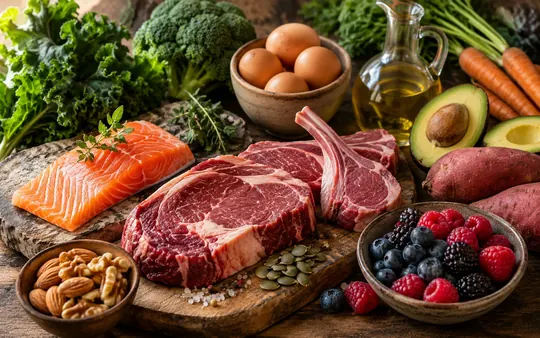
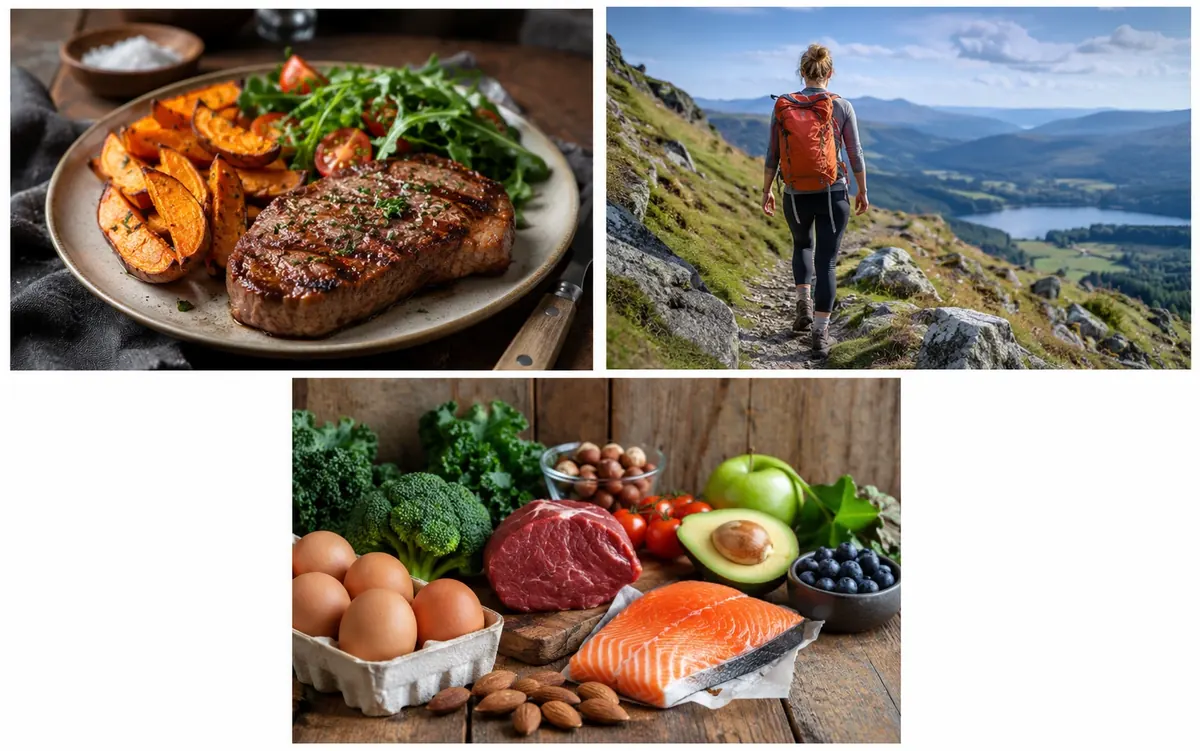
The paleo diet is easier to follow once you stop thinking in rules and start thinking in aisles. Almost everything on the plan is a single ingredient that would have been recognisable to a hunter-gatherer: meat, fish, eggs, vegetables, fruit, nuts, seeds, herbs, spices and natural fats. Almost everything left out arrived with farming or with modern food processing.
Here is the full list, written for food as it is actually sold in the UK.
What you can eat on the paleo diet
Meat and poultry
Beef, lamb, pork, chicken, turkey, duck, venison and game. Grass-fed and free-range where your budget allows, but any unprocessed cut counts. Offal — liver, kidney, heart — is cheap and unusually nutrient-dense.
Fish and seafood
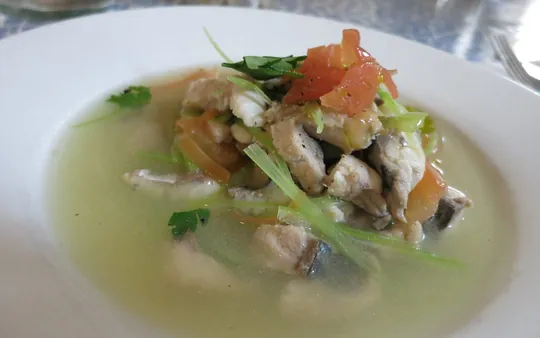
Mackerel, salmon, sardines, herring, trout, cod, haddock, prawns, mussels and crab. Oily fish twice a week is sensible advice for most adults, and it happens to suit paleo eating well. Tinned fish in water or olive oil is fine; tinned in sunflower oil or brine with additives is less so.
Eggs
Whole eggs, yolks included. There is no paleo reason to throw the yolk away.
Vegetables
All of them. Leafy greens, broccoli, cauliflower, cabbage, carrots, courgette, peppers, onions, leeks, mushrooms, asparagus, squash, swede, parsnip and sweet potato. Starchy roots are usually kept for days when you have trained or worked hard.
Fruit
Berries, apples, pears, citrus, stone fruit, melon and bananas. Fresh or frozen; frozen berries are cheaper and keep their nutrients well.
Nuts and seeds
Almonds, walnuts, pecans, hazelnuts, macadamias, pumpkin seeds and sunflower seeds, plus nut butters with nothing added. Peanuts are a legume, so they are out on a strict reading.
Fats and oils
Olive oil, coconut oil, avocado oil, animal fats such as beef dripping, and butter or ghee if you tolerate dairy. Avocados themselves are a staple.
Herbs, spices and flavourings
Every dried and fresh herb, every spice, garlic, ginger, lemon juice, vinegar and mustard with no added sugar. This is where paleo cooking stops being boring.
What the paleo diet leaves out
- Grains — wheat, bread, pasta, rice, oats, barley, rye, couscous and anything made from flour.
- Legumes — beans, lentils, chickpeas, peas, soya and peanuts.
- Dairy — milk, cheese and yoghurt. Some people following a looser version keep butter, ghee or full-fat natural yoghurt.
- Refined sugar — table sugar, syrups, sweets, fizzy drinks and fruit juice.
- Refined vegetable and seed oils — sunflower, rapeseed, corn and soya oil, and most margarines.
- Processed and ultra-processed food — ready meals, most breakfast cereals, crisps, biscuits and anything with an ingredients list you would need to read twice.
The grey areas
A few foods sit on the boundary, and sensible people disagree about them.
- White potatoes. Excluded in the strictest versions, included by many people who are active and tolerate them well.
- Butter and ghee. Dairy, but almost entirely fat rather than protein or lactose.
- Honey and maple syrup. Natural, but still sugar. Treat them as occasional.
- Dark chocolate. High-cocoa chocolate is a common compromise.
- Coffee, tea and alcohol. Not paleo in any literal sense. Most people keep their coffee or tea and go easy on the wine.
A simple way to decide
If a food has one ingredient and you could in principle have hunted, fished, dug up or picked it, it is on the plan. If it has a long ingredients list, or it only exists because of farming or a factory, it is not. That one test will get you through nearly every supermarket shelf without having to memorise anything.
Is the paleo diet healthy?
Shifting towards whole foods, vegetables, fish and home cooking is a direction most UK dietary guidance would recognise as positive. The NHS Eatwell Guide, however, includes starchy carbohydrates, pulses and dairy, so paleo deliberately departs from it in those areas. Cutting out whole food groups can make it harder to get enough calcium, fibre and some B vitamins, so it is worth planning for those rather than hoping for the best.
If you are pregnant, managing diabetes, taking regular medication, or have a history of disordered eating, talk to your GP or a registered dietitian before making a large change to how you eat.
Where to go next
If you want this turned into actual meals rather than a list, our paleo meal plan guides cover breakfasts, lunches, dinners and sides for two or four weeks, with the shopping lists already written. Or read our step-by-step first week if you would rather ease into it.
Frequently asked questions
What can you eat on the paleo diet?
Meat, fish and seafood, eggs, vegetables, fruit, nuts and seeds, and natural fats such as olive oil, coconut oil and animal fats, along with all herbs and spices. In short, single-ingredient foods that could have been hunted, fished, dug up or picked.
What foods are not allowed on the paleo diet?
Grains such as wheat, rice and oats; legumes including beans, lentils, peas, soya and peanuts; dairy; refined sugar; refined vegetable and seed oils; and processed or ultra-processed foods.
Are potatoes paleo?
White potatoes are excluded in the strictest versions of the diet, but many people who are active and tolerate them well do include them. Sweet potatoes are generally accepted.
Is the paleo diet healthy?
Moving towards whole foods, vegetables, fish and home cooking is a positive direction, but paleo departs from NHS Eatwell Guide advice by excluding starchy carbohydrates, pulses and dairy. Cutting out whole food groups can make calcium, fibre and some B vitamins harder to get, so those need planning.

PaleoDiet.co.ukWe are passionate about helping people learn about the Paleo Diet and improving their health. This article is for information only and is not medical advice — see our disclaimer.